
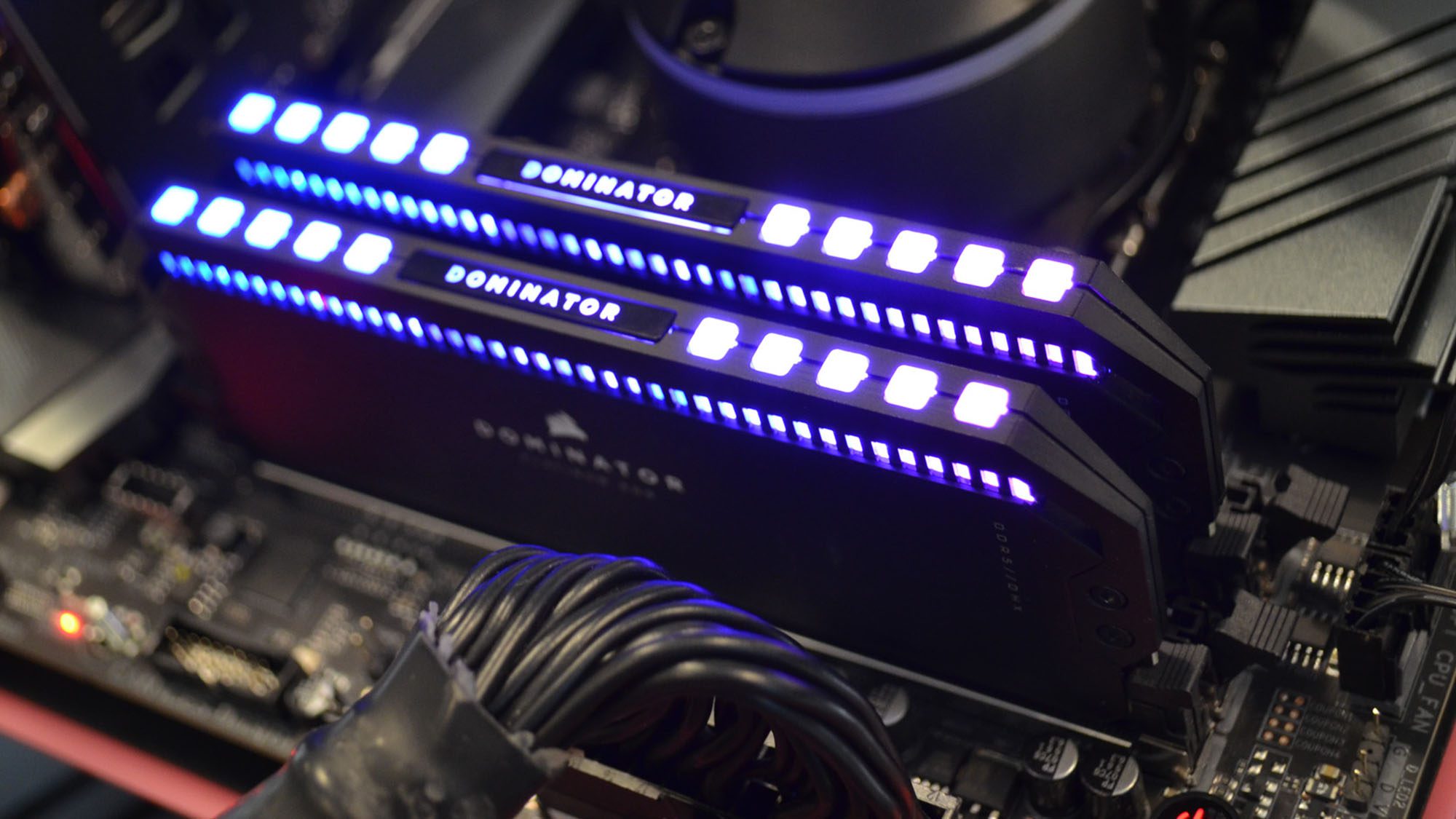
If you were hoping to see a PlayStation 6 or the next Xbox sitting under your TV by 2027, you might want to get comfortable with your current setup for a few more years. The ram shortage means a big delay for consoles.
While we usually blame delays on game development hell or chip manufacturing hiccups, the latest hurdle is coming from an unlikely source. It turns out that teaching computers to write poetry and generate images requires a staggering amount of memory, and that demand is starting to squeeze the gaming hardware market in a serious way.
The invisible cost of the AI gold rush
The rapid rise of artificial intelligence over the last year has triggered a massive spike in demand for high performance memory. Tech giants are currently in an arms race to build the most powerful data centers possible, and they are buying up server-grade RAM as fast as it can be produced.
To keep up with the AI contracts, they have to shift their assembly lines away from standard consumer RAM the kind used in PC builds and consoles. So they can focus on the high-bandwidth memory that AI requires meaning that this shortage is causing delay for consoles.
When the factories pivot, the supply of gaming-grade memory drops, and we are left fighting for scraps.
Supply and demand
For PC gamers, the impact is going to hit your wallet first. We have enjoyed a period of relatively stable and affordable RAM prices, but that window is closing. As global stocks of DDR5 and GDDR6 memory tighten, prices are naturally going to creep up.
If you have been planning a new build or looking to upgrade your memory capacity, doing it sooner rather than later is the smart move. It is creating development challenges right now across the tech sector, and components are likely to get more expensive before they get cheaper.
Why 2029 is the new target
The situation is even trickier for console makers. Sony and Microsoft rely on locking in long-term contracts for massive amounts of GDDR6 memory to keep their console prices reasonable. They sell these boxes at thin margins sometimes even at a loss expecting to make money back on software.
If RAM prices skyrocket due to the shortage, the math for a next-gen console stops working. They would either have to launch a console that costs significantly more than the standard $500 mark, or they have to eat a massive loss per unit. Neither option is appealing to shareholders.
The safer bet for them is simply to wait. By pushing the next generation of hardware back to around 2029, they buy time for the supply chain to stabilize and for manufacturing capacity to catch up with the AI boom.
What this means for us gamers
The good news is that the current generation of consoles just got a longer lease on life. Developers will be forced to squeeze every drop of performance out of the PS5 and Series X for a few more years, which usually leads to some incredible optimization tricks late in the cycle.
But it also means the gap between high-end PCs and consoles might widen faster than usual. If you want the bleeding edge of tech before the end of the decade, you will likely have to build it yourself—just be prepared to pay the AI tax on those memory sticks.